
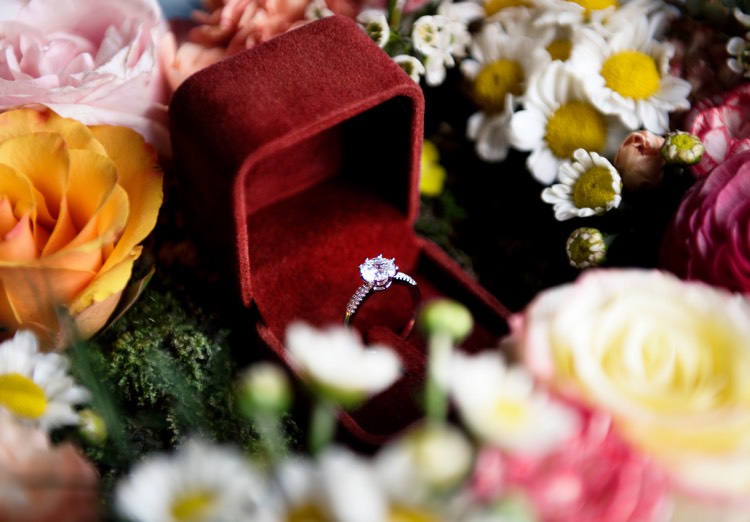
The one carat diamond engagement ring has long held a special place in the world of fine jewelry, representing the perfect balance between substantial presence and elegant wearability. This iconic size has become synonymous with commitment and celebration, offering a brilliant centerpiece that catches light beautifully without overwhelming the hand. For generations, couples have gravitated toward this classic choice, finding it strikes an ideal harmony between visual impact and practical everyday wear.
Understanding Carat Weight and Visual Impact
Carat weight measures a diamond’s mass rather than its physical dimensions, yet this metric profoundly influences a stone’s appearance and value. A one carat diamond typically measures approximately 6.5 millimeters in diameter when round brilliant cut, creating a noticeable yet refined presence on the finger. The weight translates differently across various cuts, with elongated shapes like oval and marquise appearing larger than their round counterparts of identical carat weight.
What makes this particular size so appealing extends beyond mere measurements. The one carat threshold represents a sweet spot where quality and size converge without the exponential price increases seen in larger stones. When considering an 18k gold 1 carat diamond ring, buyers discover exceptional brilliance paired with a mounting that enhances the stone’s natural beauty through superior craftsmanship and enduring precious metal.
The Historical Significance of Diamond Engagement Rings
The tradition of presenting diamond engagement rings carries fascinating cultural roots that extend far beyond modern marketing campaigns. While diamonds have been treasured for centuries, their association with betrothal gained prominence in the fifteenth century when Archduke Maximilian of Austria presented Mary of Burgundy with a diamond ring in 1477. This royal gesture established a precedent among European nobility that would eventually trickle down through society over subsequent centuries.
The twentieth century witnessed the transformation of diamond rings from aristocratic luxury to widespread cultural expectation. Marketing efforts revolutionized public perception, positioning these precious stones as essential symbols of lasting commitment. The evolution of this tradition reflects broader changes in courtship practices, economic accessibility, and social values surrounding marriage. Understanding the history and marketing of diamond engagement rings provides valuable context for appreciating their contemporary significance.
Natural Diamonds Versus Laboratory-Created Alternatives
Modern couples face choices that previous generations never encountered, particularly regarding diamond origin. The emergence of laboratory-grown diamonds has introduced compelling alternatives to traditionally mined stones, prompting important conversations about value, authenticity, and personal priorities. Both options possess identical chemical compositions and physical properties, yet they differ significantly in formation process, environmental considerations, and market positioning.
Natural diamonds formed billions of years ago under extreme heat and pressure deep within the Earth’s mantle, carrying geological history within their crystalline structure. Laboratory-created diamonds replicate these conditions through technological processes, producing chemically identical stones in controlled environments within weeks rather than eons. The choice between these options involves weighing factors beyond mere appearance, including ethical sourcing, pricing structures, and personal philosophy about rarity and natural formation. Those exploring this decision benefit from comprehensive comparisons, such as detailed analyses of natural diamonds versus lab-created diamonds, which illuminate the practical and philosophical dimensions of this contemporary jewelry consideration.
Quality Factors Beyond Carat Weight
While carat weight captures immediate attention, the true beauty of a diamond engagement ring depends equally upon cut, color, and clarity. These four characteristics work in concert to determine a stone’s overall appearance and value. Cut quality particularly influences brilliance, as precise faceting determines how effectively a diamond reflects light. A expertly cut one carat diamond will outshine a poorly cut two carat stone, demonstrating that technical excellence matters as much as size.
Color grading spans from colorless to light yellow, with the most valuable stones exhibiting no perceptible tint. Clarity refers to internal and external imperfections, ranging from flawless to included grades. For one carat diamonds, selecting stones in the near-colorless range with eye-clean clarity provides exceptional beauty at more accessible price points than top-tier grades. Understanding these nuances empowers buyers to make informed decisions that maximize visual impact within their budget parameters.
Setting Styles That Complement One Carat Diamonds
The mounting chosen for a one carat diamond dramatically influences its presentation and perceived size. Classic solitaire settings allow the diamond to command full attention, their minimalist elegance never falling from fashion. Halo settings surround the center stone with smaller diamonds, amplifying visual impact and creating vintage-inspired romance. Three-stone designs balance the center diamond with complementary side stones, symbolizing past, present, and future.
Metal selection further personalizes the ring’s character. Platinum offers unmatched durability and naturally white appearance that never requires replating. White gold provides similar aesthetics at lower cost, while yellow and rose gold create warm, romantic backdrops that enhance certain diamond colors. The interplay between diamond and setting creates the ring’s ultimate personality, making thoughtful design choices as important as stone selection itself.
Leon Diamond: Craftsmanship Meets Timeless Design
Exceptional jewelry demands more than beautiful stones; it requires masterful craftsmanship and design vision that honors both tradition and contemporary aesthetics. Leon Diamond brings decades of expertise to creating engagement rings that balance classic elegance with modern sensibilities. Their collections showcase meticulous attention to detail, from precision stone setting to hand-finished metalwork that ensures each piece achieves heirloom quality.
The brand’s commitment to excellence extends throughout the customer experience, providing education and guidance that empowers informed decisions. Their curated selections emphasize quality over quantity, featuring diamonds that meet rigorous standards for brilliance and beauty. This focused approach ensures that each ring represents not merely a purchase but an investment in enduring craftsmanship and timeless design that will be treasured across generations.
Making Your Selection With Confidence
Choosing an engagement ring represents one of life’s most significant jewelry purchases, deserving careful consideration and expert guidance. Begin by establishing priorities regarding diamond characteristics, setting preferences, and budget parameters. Reputable jewelers provide certification from independent gemological laboratories, offering objective verification of diamond quality and characteristics. This documentation protects your investment and provides peace of mind regarding your purchase.
Consider lifestyle factors when selecting both diamond and setting. Active individuals may prefer lower-profile mountings and more protected settings, while those seeking maximum visual impact might choose elaborate halo or split-shank designs. The perfect engagement ring balances personal style, practical wearability, and enduring beauty, creating a symbol of commitment that will be worn with pride for decades to come. Taking time to explore options, ask questions, and understand quality factors ensures a choice that brings lasting satisfaction and joy.


Leave a Reply