
Most people notice small changes in their eyesight long before they think to do anything about it. Reading a menu in dim light takes a bit longer, phone screens seem to need pushing further away, and squinting becomes a daily habit rather than an occasional one. These shifts often happen so gradually that people adjust without realising there’s a clear cause behind them.
Age-related vision changes are common, and they tend to follow a predictable pattern. Understanding what to look for can make it easier to address the problem early rather than living with blurry text and tired eyes for months or years longer than necessary.
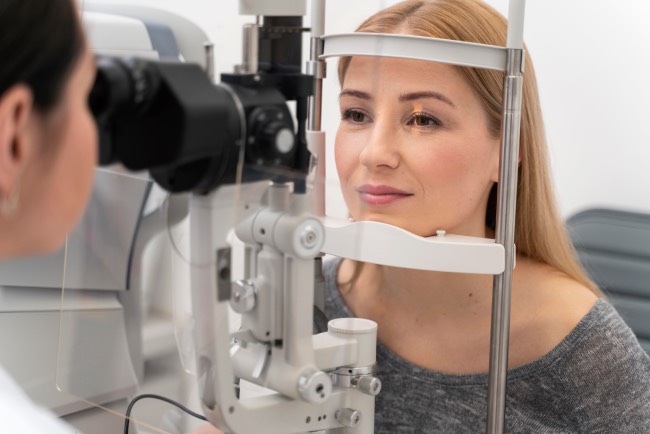
Why Vision Changes as You Get Older
The eye’s lens naturally loses flexibility over time. In your twenties and thirties, the lens can quickly adjust focus between near and far objects without much effort. By your early to mid-forties, that flexibility starts to decline, a condition known as presbyopia. It’s not an eye disease and it doesn’t mean something has gone wrong. It’s simply part of how the eye ages, in the same way joints become stiffer or hair changes colour.
Presbyopia affects almost everyone eventually, regardless of whether you’ve had perfect vision your whole life or worn glasses since childhood. The difference is that people who already wear corrective lenses may notice the change sooner, since their eyes are already used to being monitored and adjusted.
Common Signs Worth Paying Attention To
Holding Things Further Away
One of the earliest signs is the instinct to hold books, phones, and menus at arm’s length. This happens because the eyes struggle to focus on close objects, and increasing the distance temporarily compensates for that. If you find yourself doing this more often, it’s usually one of the first indicators that near vision is starting to shift.
Needing More Light to Read Comfortably
Reading in low light becomes noticeably harder. Text that used to be perfectly legible under a table lamp now seems to blur or strain the eyes. This isn’t just about the light itself, it reflects how the eye’s ability to adjust to different lighting conditions changes with age.
Headaches After Close-Up Work
Frequent headaches, particularly after reading, sewing, or working on a laptop for extended periods, can be a sign that the eyes are working harder than they should to maintain focus. This kind of eye strain is often mistaken for tiredness or stress, when the real cause is an uncorrected shift in near vision.
Blurred Vision When Switching Focus
Struggling to shift focus quickly between near and far, such as looking up from a phone to check traffic while driving, is a common complaint. This transition should happen almost instantly, so any noticeable delay or blur is worth mentioning to an optician.
Difficulty With Screens
Digital devices sit at a distance that doesn’t always match traditional reading distance, which can make screen use particularly tiring for ageing eyes. Many people notice this specifically with phones and laptops before they notice it with printed material, since screens involve smaller text and constant close-range focus.
Why It’s Worth Getting Checked Sooner Rather Than Later
Ignoring these changes doesn’t make them disappear. In fact, uncorrected presbyopia tends to make everyday tasks more tiring, from cooking with a recipe on a screen to checking labels while shopping. Over time, straining to see clearly can also contribute to more frequent headaches and general fatigue.
A routine eye test can confirm whether presbyopia, or another age-related change, is behind the symptoms. Opticians can also rule out other causes, since some symptoms overlap with conditions like dry eye or early cataracts. Getting a professional opinion means you’re treating the actual cause rather than guessing.
Correction Options Worth Knowing About
Once presbyopia is confirmed, there are several ways to correct it, and the right choice usually comes down to personal preference and daily habits.
Reading glasses are the most familiar option, but they only correct near vision, which means switching between glasses for reading and normal vision for everything else. This works for some people, but it can be inconvenient for anyone who needs to shift focus often throughout the day.
Multifocal lenses, whether in glasses or contact lens form, are designed to correct vision at multiple distances at once. Rather than having a single focal point, multifocal contact lenses UK opticians commonly prescribe are built with different zones for near, intermediate, and distance vision, so the eyes can adjust naturally depending on what you’re looking at.
For people who prefer not to wear glasses, a varifocal contact lens offers a similar benefit in a smaller, less visible form. These lenses gradually shift focusing power across the lens surface, so near, intermediate, and distance vision are all supported without needing to swap glasses throughout the day. Varifocal contact lenses UK wearers often choose them for exactly this reason, since they suit an active routine where constantly changing eyewear isn’t practical.
Anyone weighing up their options can browse varifocal contact lenses to compare the different types available and see which fit might work best for their prescription and lifestyle. Many are designed for daily wear and disposal, which suits people who want a low-maintenance routine without the upkeep that reusable lenses or glasses can involve.
Contacts for multifocal vision correction aren’t right for everyone, and some people still prefer the simplicity of glasses or a combination of both. The important part is knowing that options exist beyond simply accepting blurred near vision as an inevitable part of getting older.
Getting Ahead of the Changes
Vision changes tied to ageing are gradual, which is exactly why they’re easy to dismiss. Holding a phone further away or squinting at a restaurant menu might seem minor on their own, but together they usually point to something worth addressing. An eye test can confirm what’s going on, and from there, whether it’s glasses, multifocal lenses, or contact lenses, there’s a solution that fits most routines and preferences.
Catching these signs early means fewer headaches, less eye strain, and an easier time with the small daily tasks that depend on clear vision at every distance.


Leave a Reply