
Heat damage rarely arrives in one bad blast; it builds wash after wash, from tools set hotter than hair can handle. Before replacing a dryer or wand, it helps to understand what heat does to the hair shaft and where the trade-offs sit. Shopping for Shark hair styling tools is a sensible start if you want steady heat output rather than the hot-cold swings cheaper dryers produce, since even heat distribution matters more for long-term condition than raw wattage.
Ceramic, ionic or tourmaline: the coating matters
Plate and barrel coatings decide how a tool behaves day to day. Ceramic spreads heat evenly and reduces hot spots that scorch strands. Ionic technology breaks water molecules faster, cutting frizz and drying time. Tourmaline adds a glossier finish but costs more. None of this fixes styling soaking wet hair, which forces people to run tools hotter and longer than needed.
Heat protection is a chemistry problem, not a marketing one
Hair is mostly keratin protein, and repeated exposure above roughly 180 to 200 degrees Celsius weakens the bonds that keep the cuticle flat and reflective. A review in the International Journal of Trichology on hair cosmetics notes that styling without protection speeds up moisture loss and cuticle lifting, showing up as dullness and split ends later rather than straight away. A heat protectant spray doesn’t stop this; it slows it by forming a barrier that buys you a little tolerance.
What separates a good dryer from a disposable one
| Tool type | Typical heat range | Main risk | Best for |
| Hair dryer | 60 to 100°C airflow | Over-drying ends | Daily use, volume |
| Straightener | 150 to 230°C | Cuticle flattening | Sleek, frizz control |
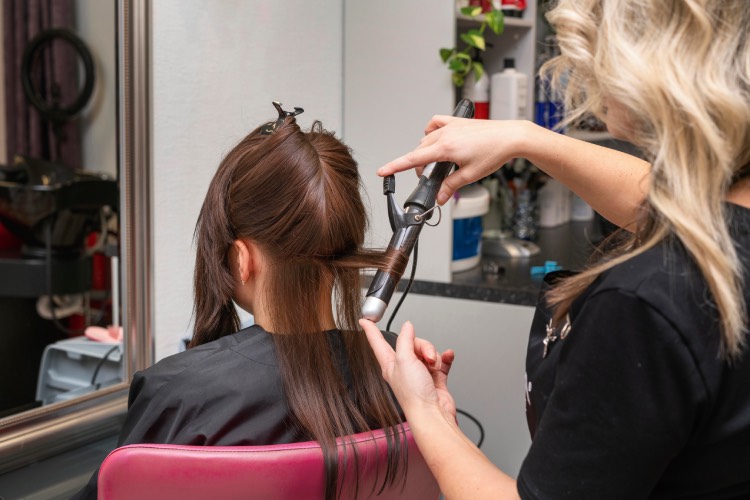
| Curling wand | 160 to 210°C | Localised breakage | Curls, waves |
Independent testing from Which? has repeatedly found that temperature consistency, not top heat, separates appliances that keep hair in better condition. Cheaper motors cycle on and off to hold temperature, delivering uneven bursts that cause more cumulative damage than a steadier, lower setting.
Building a routine around your hair, not the tool
Fine, colour-treated and curly hair tolerate heat differently, and a setting that smooths one head will fry another. Start low, check how hair responds after a few washes, and raise the temperature only if strands still resist styling. Many styling habits persist because nobody questions them, so it’s worth revisiting common beauty myths before you reach for the dial again. For how small choices shape a finished look, this styling breakdown is a useful read. Match tool temperature to hair type rather than chasing the fastest finish, and resist the default to the highest setting out of routine. That single adjustment does more for hair condition over a year than any product swap.


Leave a Reply